Want the latest intel on new restaurants, bars, shops, and things to do? We’ll be your cheat sheet. Hudson Valley food, culture, news, and real estate delivered straight to your inbox, 5 times weekly.
Sign up for our newsletter!
Want to always have the latest intel on new restaurants, bars, shops, and things to do? We’ll be your cheat sheet. Hudson Valley food, culture, news, and real estate delivered straight to your inbox, 5 times weekly.
A lifestyle magazine for the Hudson Valley & Catskills with the latest news on arts and cultural events, live music shows, new restaurants, shops & more
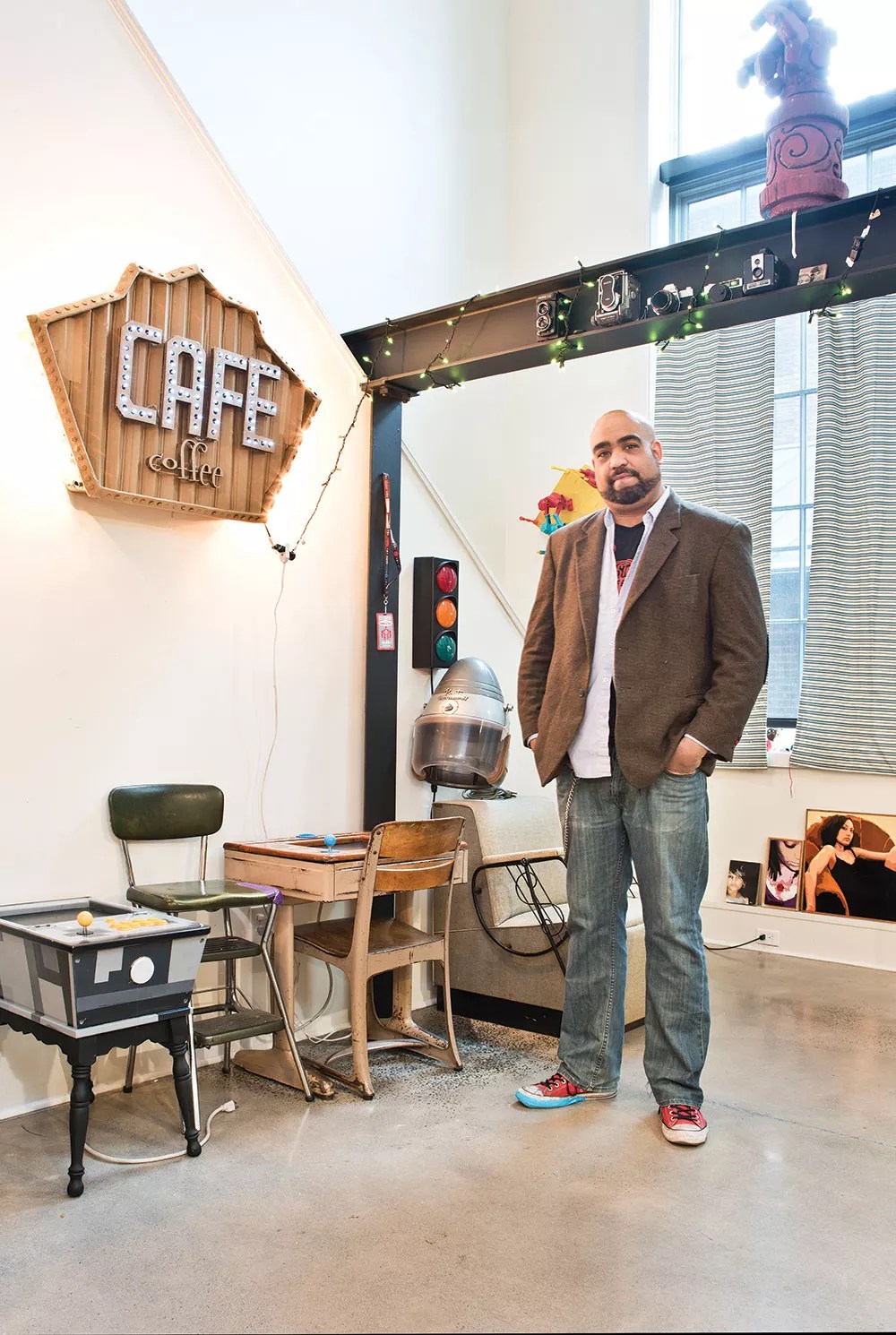
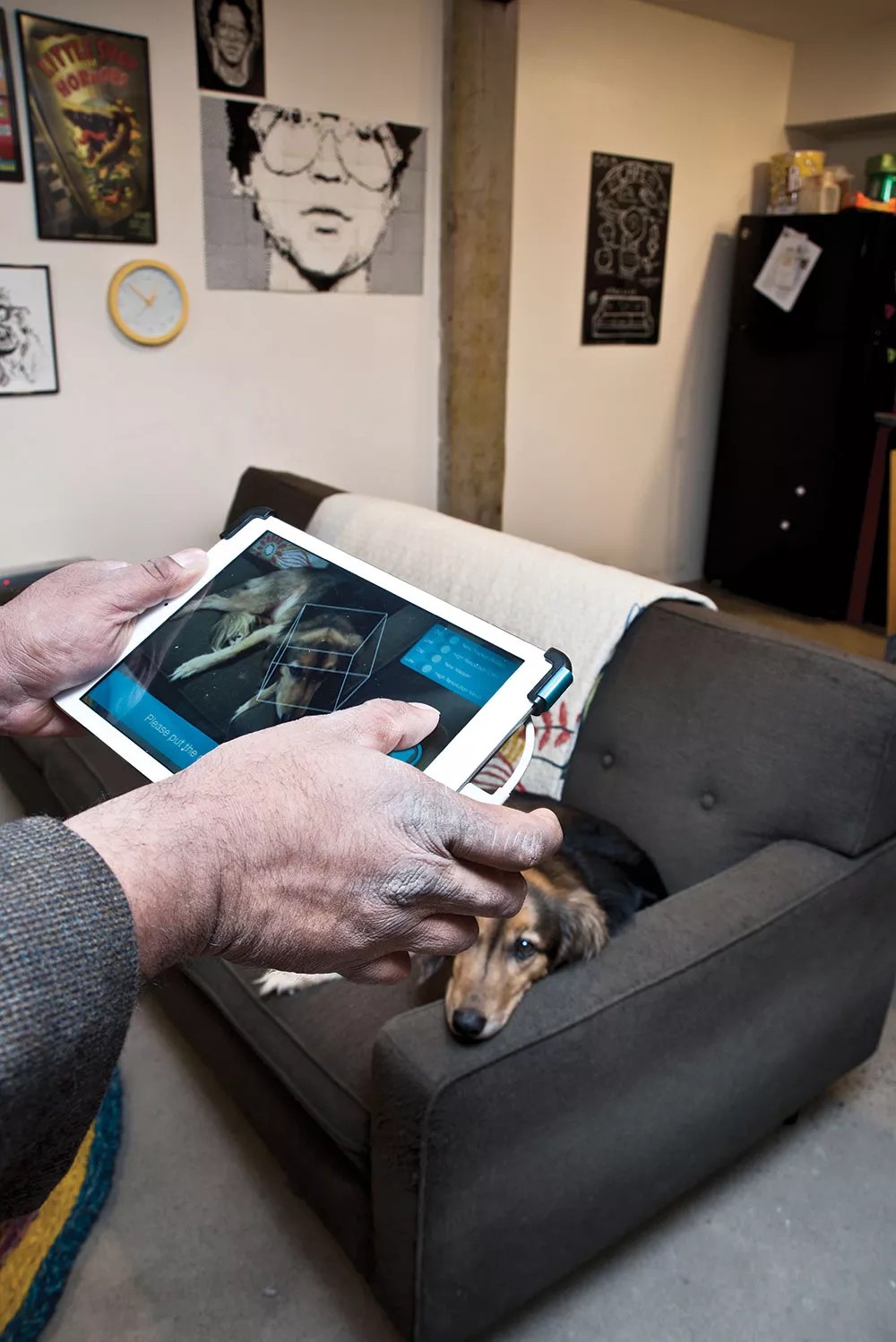
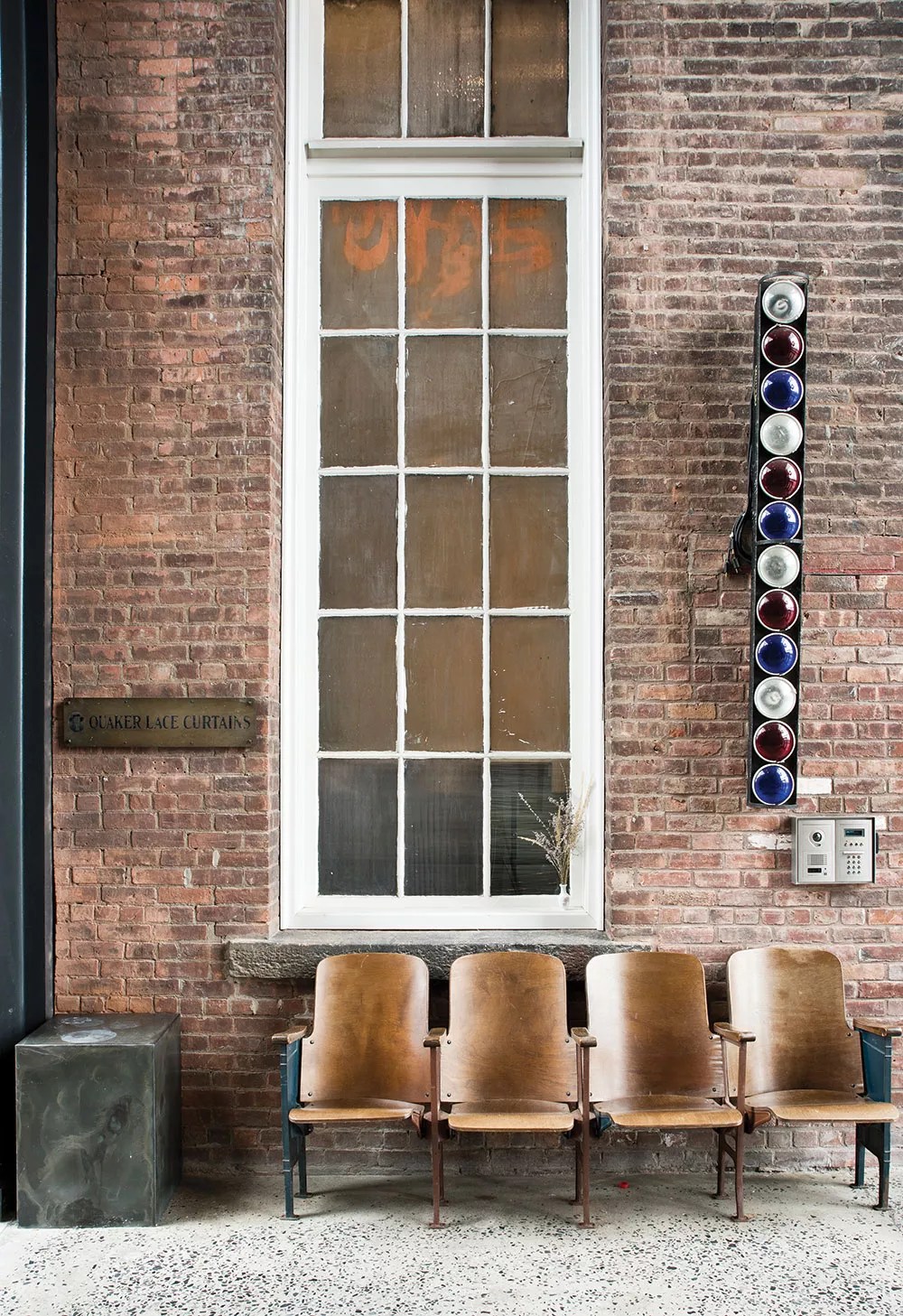
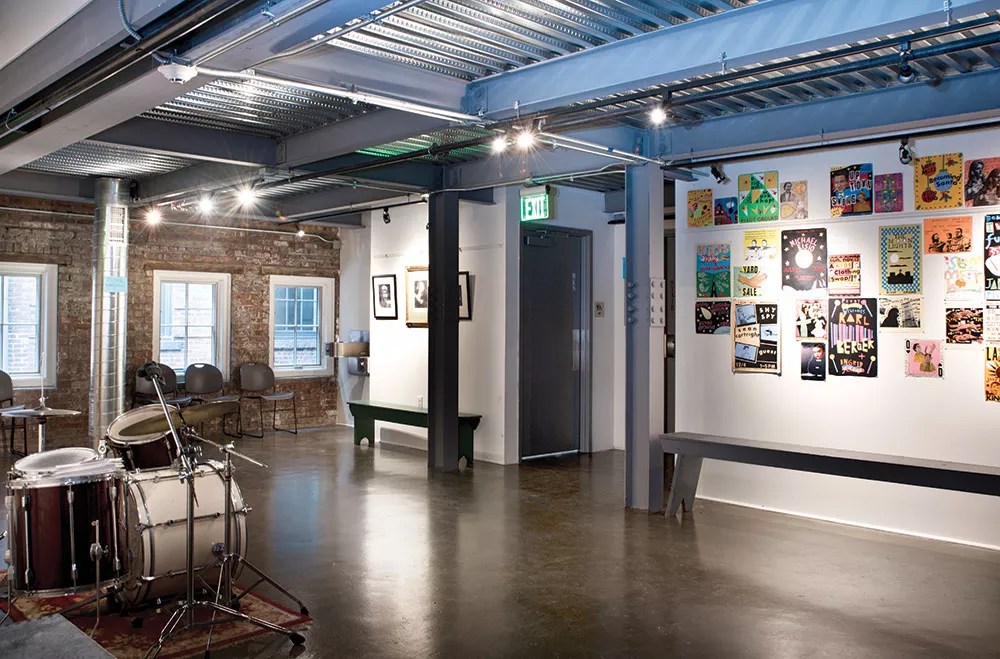
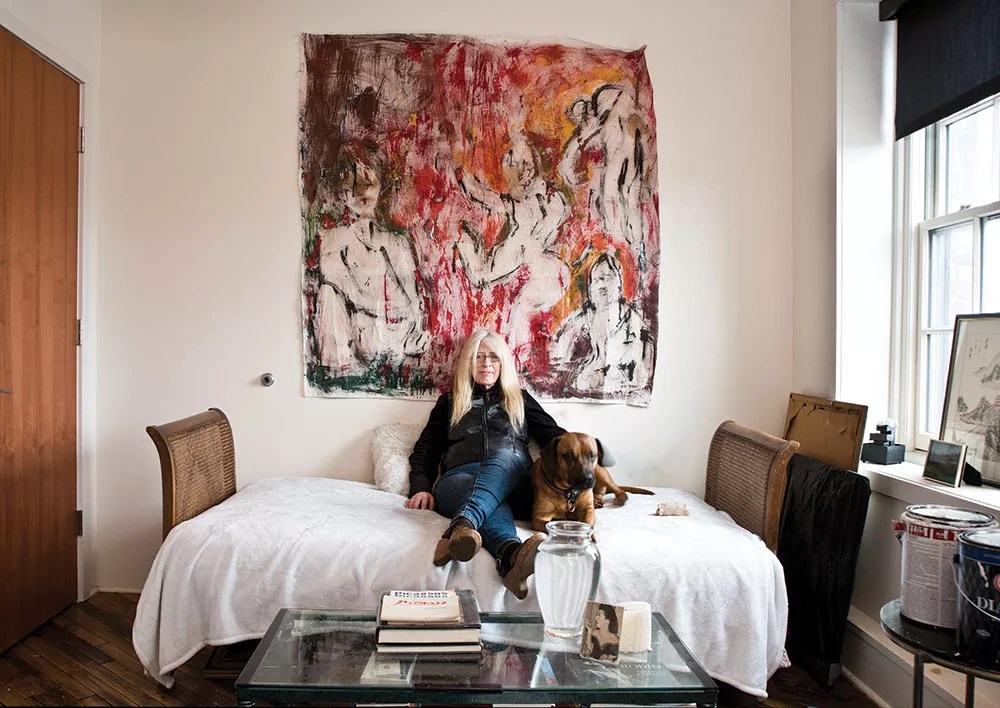
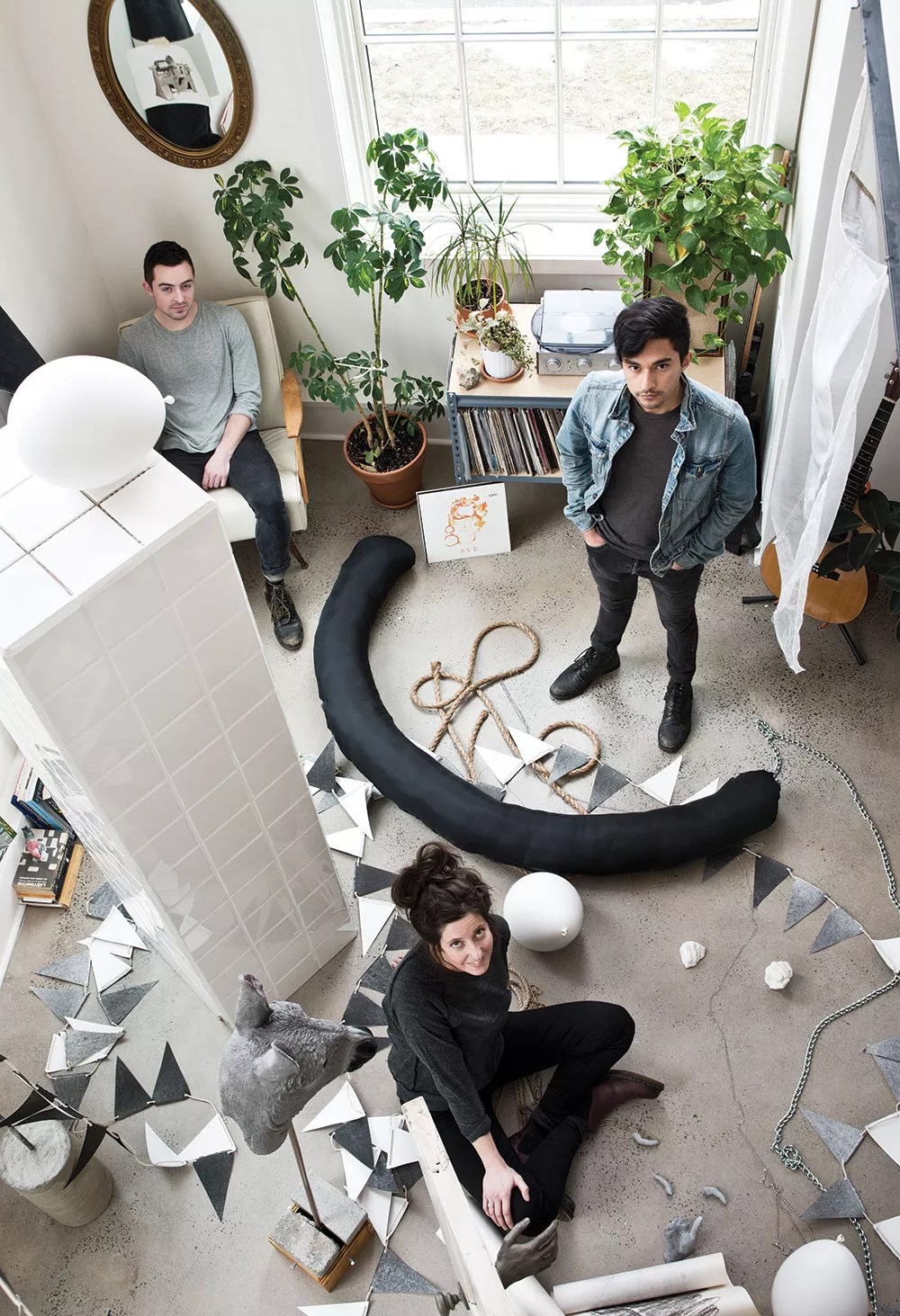
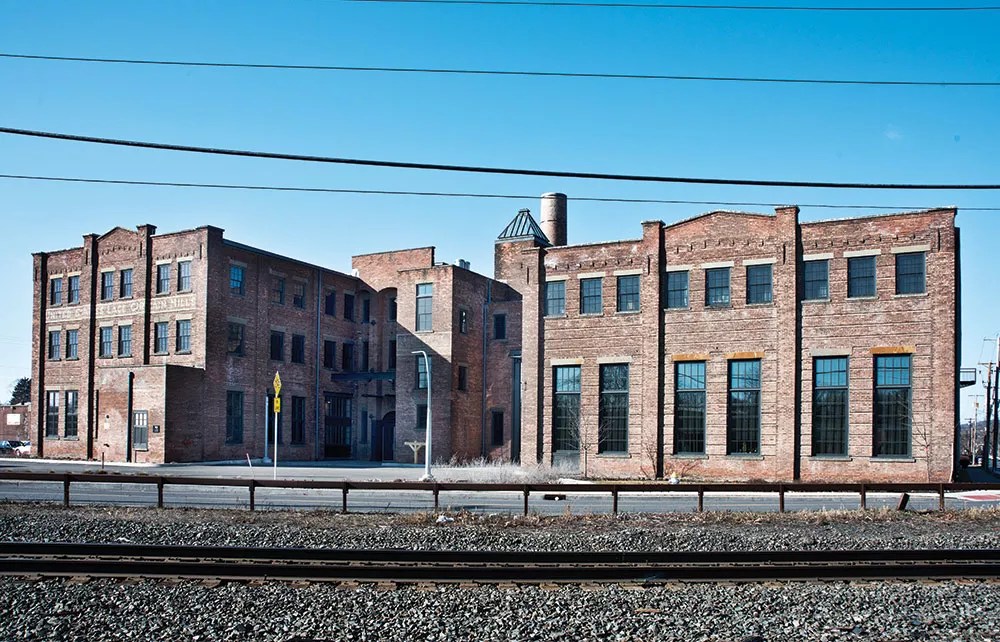
Felix Olivieri in the downstairs living room of his two bedroom apartment. His “maker” art includes recycling old furniture and converting it into video game consoles (and teaching others how to do the same). He made the cafe sign on the wall from recycled cardboard and christmas lights. “I have a thing for old technology; I go hunting for pieces with actual sensors, tiny speakers—things like that—then I use parts for my artwork,” he explains. “You want to bling out your bike?” he asks. “I can teach you to do that.” Credit: Deborah DeGraffenreidOlivieri in his living room, looking back toward the kitchen area. Credit: Deborah DeGraffenreidA two story atrium-hallway connects the East and West wing of the building. Once a brick passthrough space with a garage door, a spur for the neighboring train tracks passed through the space to deliver the factory’s coal and retrieve finished curtains. Credit: Deborah DeGraffenreidThe factory’s former boiler room has been converted into a shared gallery and performance space. The original machinery and architecture were left in place; but now, a bustling, thriving arts scene is growing up around the bones of the original factory. The regular events are open to the public. Credit: Deborah DeGraffenreidA community space on the first floor of the building’s West wing. Credit: Deborah DeGraffenreidLynette Hughes, her dog, and one of her abstract oil paintings in her second-floor studio apartment. “My whole life has been built on art in one way or another,” she says. “Now my artwork is about taking a stand. Credit: Deborah DeGraffenreidthe building’s interior design incorporates many of the original Lace Mill factory details and often repurposes remnants of the building’s past. Credit: Deborah DeGraffenreidAaron Lockhart, Daniel Cardenas, and Chelsea Culpepper in Culpepper’s apartment, looking down from her mezzanine bedroom. Both their personal and collaborative works tends to spill from one genre to another. Currently, the three are collaborating on a show about birthday parties. “People tend to ask what do you do? And they want to hear ‘well I’m a painter, I’m a sculptor,’” says Lockhart. Cardenas agrees. “That’s how they understand art,” he says. “But life isn’t that way,” Lockhart explains, “and neither is art; it’s a mixed bag with its ups and downs.” Culpepper adds: “Play is the key and that’s what we’ve been exploring; not taking things so seriously.” Credit: Deborah DeGraffenreidThe former US Lace Curtain Factory. Once a thriving manufacturing center, in 2013 the building was converted into 55 units of affordable artist housing; including studios, one-, two-, and three-bedroom units with varying layouts, as well as shared studio and gallery spaces. Credit: Deborah DeGraffenreid