









Most people don’t think too deeply about the clothing they purchase and wear, aside from a few primary considerations like style, comfort, and durability. However, clothing often carries a weight far beyond the ounces of material that go into its making. In “No Bodies: Clothing as Disruptor,” a new exhibition at Hudson River Museum in Yonkers, 31 artists reveal the complex societal assumptions, relationships, and tensions that a seemingly simple garment can hide within its threads.
Through dozens of bodiless artworks that reimagine and transform clothing, “No Bodies” offers a closer look at a multitude of difficult issues at the heart of contemporary society—from mass consumption to empowerment and vulnerability, personal expression, and cultural expectation.
“This innovative exhibition highlights intriguing and surprising artworks that play with form and function, explore cultural identity, and untap personal and political expression,” says Hudson River Museum Director and CEO Masha Turchinsky. “We’re proud to present our visitors with talented artists who reimagine clothing and examine how these items reflect—and even challenge—societal roles and historical context.”

As the exhibit demonstrates, clothing displayed without a body speaks loudly. Women, long the exploited makers of clothing and the especially scrutinized subjects of its wearing, have an especially strong presence in the exhibition.
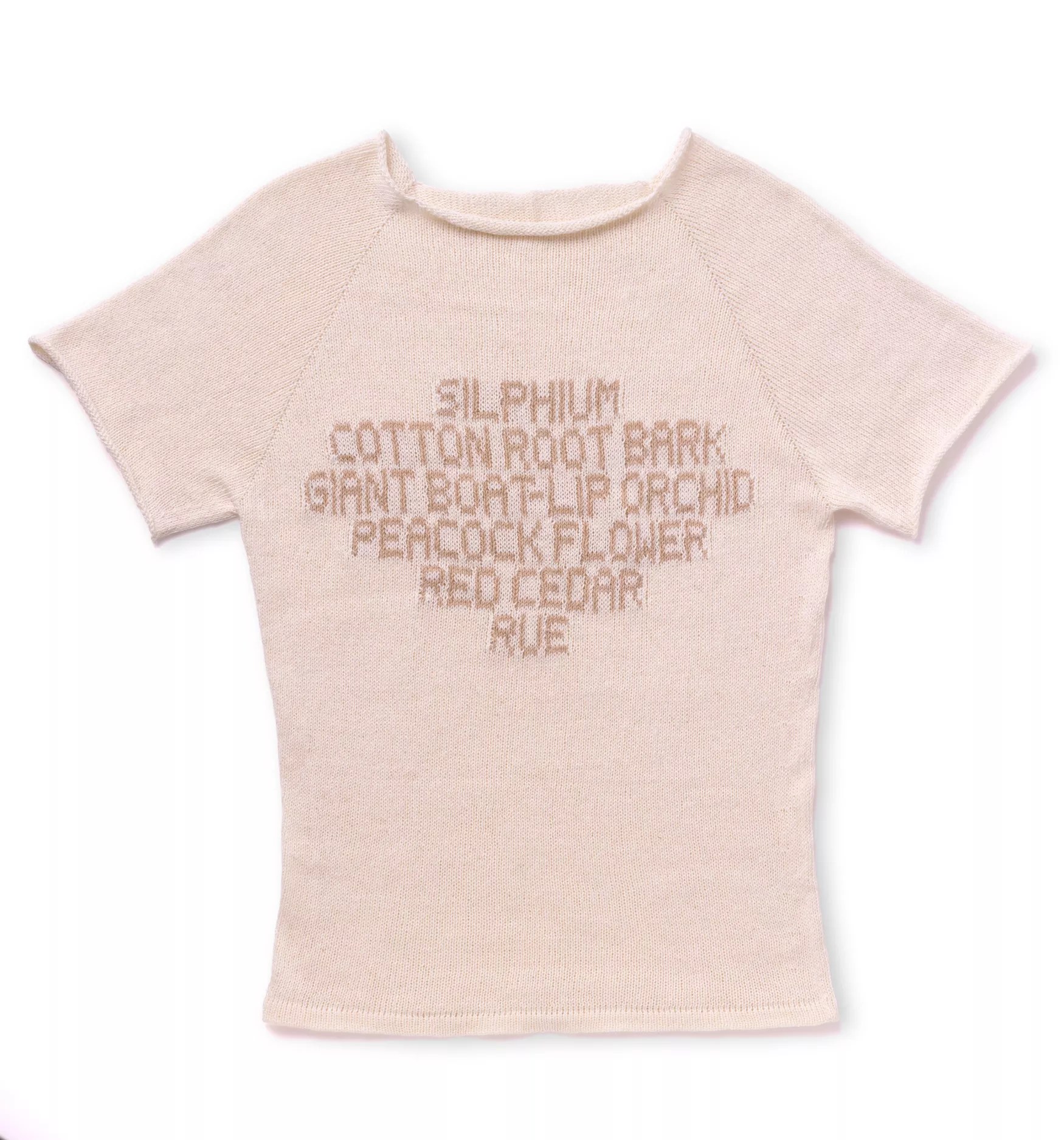
The 1,281 suspended white shirts in Rachel Breen’s Shroud is a haunting tribute to the garment workers lost in the tragedies of the Triangle Shirtwaist Factory and Rana Plaza. Karen Shaw’s lacy sports jersey-turned-hoop shirt (a winking reference to a hoop skirt) subverts gender norms and plays with the ideas of men’s clothes versus women’s wear, sports clothes versus formal wear. Inscribed on Patrick Carroll’s t-shirt, created in response to the overturning of Roe v. Wade, are the ingredients of historical abortifacients.
In its inherent intimacy, clothing also offers other artists a poignant way to touch on larger issues of immigration, the prison industrial complex, and Indigenous health disparities. For example, Rose Deler’s “Aluminum Coat” points to the cruelty of contemporary immigration policy by using Mylar rescue blankets given to migrants at the US border to create children’s clothing.
“While there is a specificity to the subjects these artists are addressing, there are overarching universalities to them as well,” says the exhibition’s curator, Alva Greenberg. “Underlying many of the works is a commentary of the female narrative, environmental concerns, and a textural approach to the making of art.” By disrupting its familiar conventions, the works of “No Bodies” unravel presumptions about clothing, the stories it can carry, and the psychological weight it can bear.
“No Bodies: Clothing as Disruptor” will be on view at Hudson River Museum through January 26. For more information, visit Hrm.org.
[location-1]


