










Adams Fairacre Farms was founded in 1919, when Ralph A. Adams and his wife Mary purchased 50 acres of Dutchess County farmland and began selling their own produce. After three generations, the family-owned grocery store chain has become a beloved Hudson Valley institution known for its selection of fresh produce, meats, and dairy, prepared foods and hard-to-find grocery items, garden products, and the friendly, downhome shopping experience to be found at its Poughkeepsie, Kingston, Wappinger, Middletown, and Newburgh locations.

As Adams has grown over the last 100 years, its dedication to farmstand-fresh quality has also been accompanied by hard work behind the scenes to ensure the stores are doing their part to become a more sustainable part of the regional food system.
Here are 4 ways Adams is making it easier for shoppers to make an eco-conscious impact with every trip to one of its stores.
Local Sourcing
Among the wealth of products shoppers can find at Adams are a wide variety of locally grown and made foods.
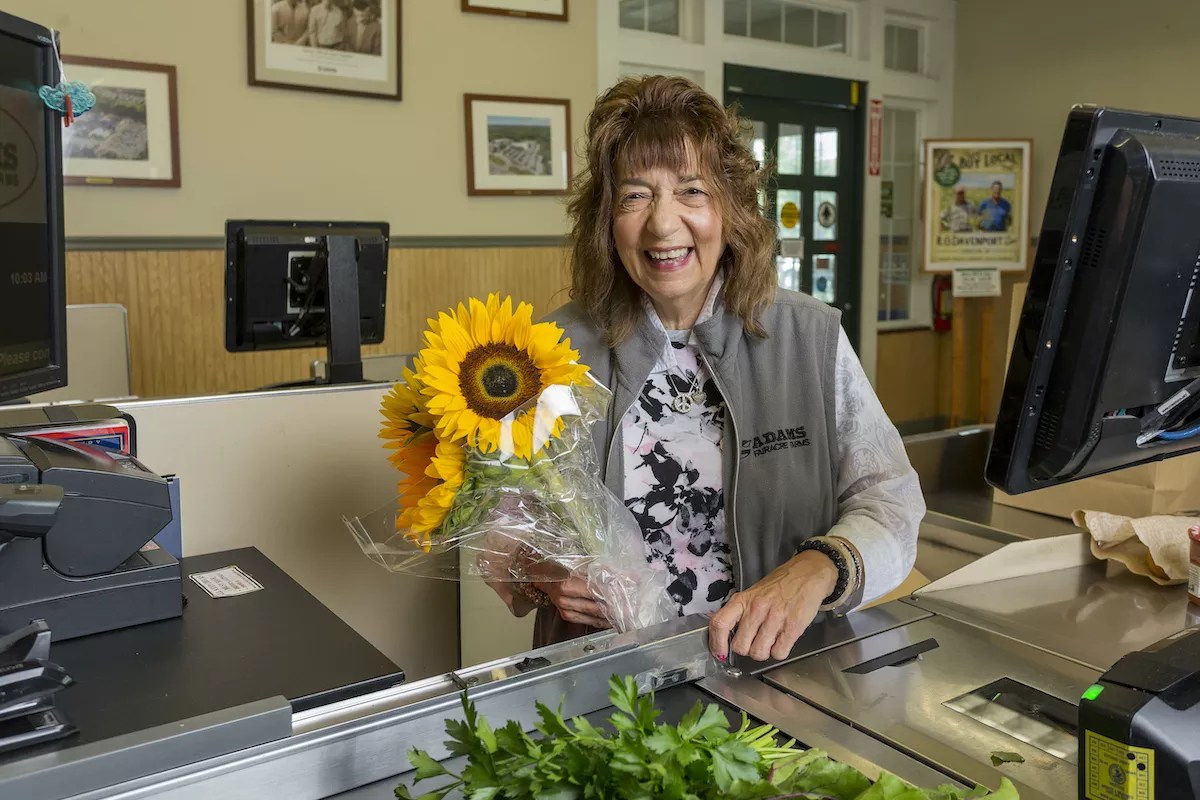
In addition to the plants from its own greenhouses, Adams sources everything from tomatoes, peppers, and greens to apples, strawberries, peaches and milk from over a dozen family farms throughout the Hudson Valley including Hepworth Farms, Bialas Farms, Row by Row, Clarke’s Family Farm, and Hudson Valley Fresh Dairy.
Shoppers will also find coffee from North River Roasters, cheeses from McGrath Creamery and Chaseholm Farms, baked goods from Hudson Valley Baking Co and Chaddem Bakery, and flowers sourced from farms in Red Hook and Millbrook, among many other local makers.
Reusable Bag Program
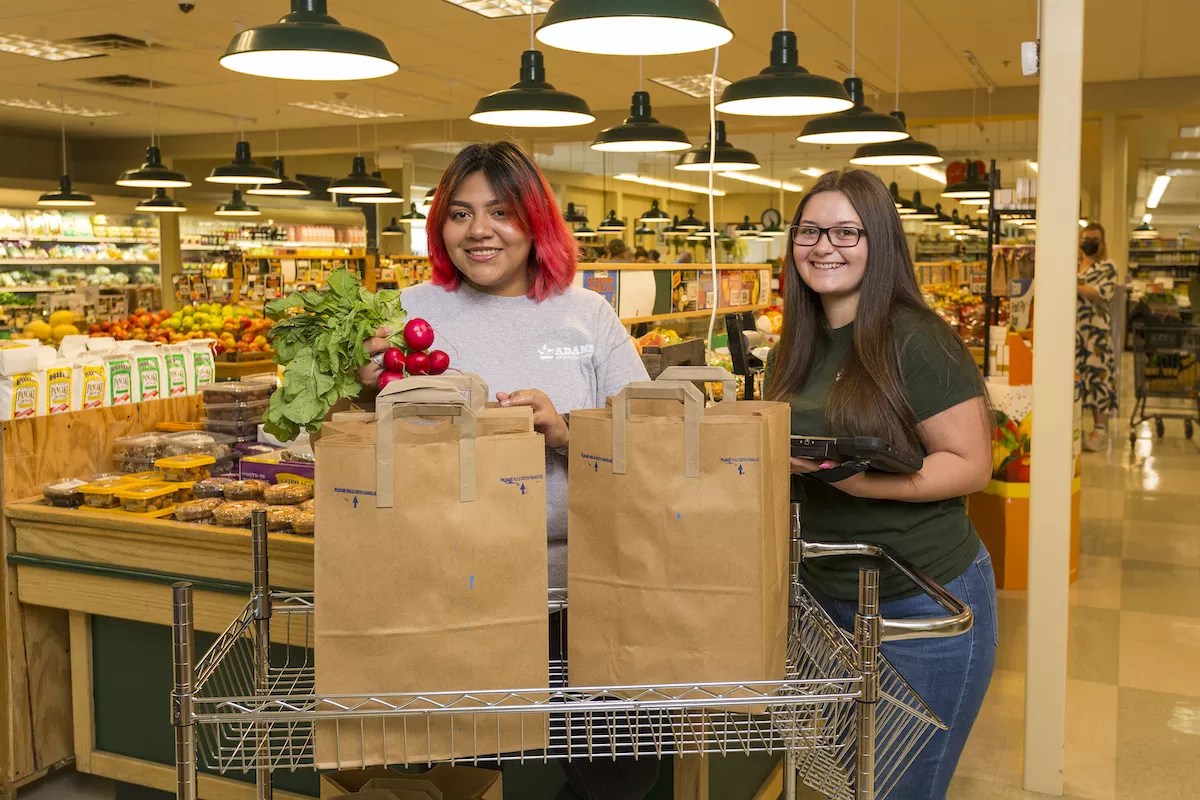
Many shoppers are accustomed to paying a little extra for paper bags at the grocery store these days, but Adams actually encourages customers to take the extra step to think sustainably by adding 5 cents back to their final grocery bill for every reusable bag they use. Over the last six years, Adams has given back almost $600,000 to its customers through this program.
In its efforts to reduce the harmful environmental impacts of plastic bags, all produce roll bags available for customers to bag their produce are also made from recycled PE plastic retrieved from beaches in developing countries.
Reducing Food Waste
It’s estimated that over 30 percent of food in grocery stores is thrown away before it ever makes its way to someone’s home.
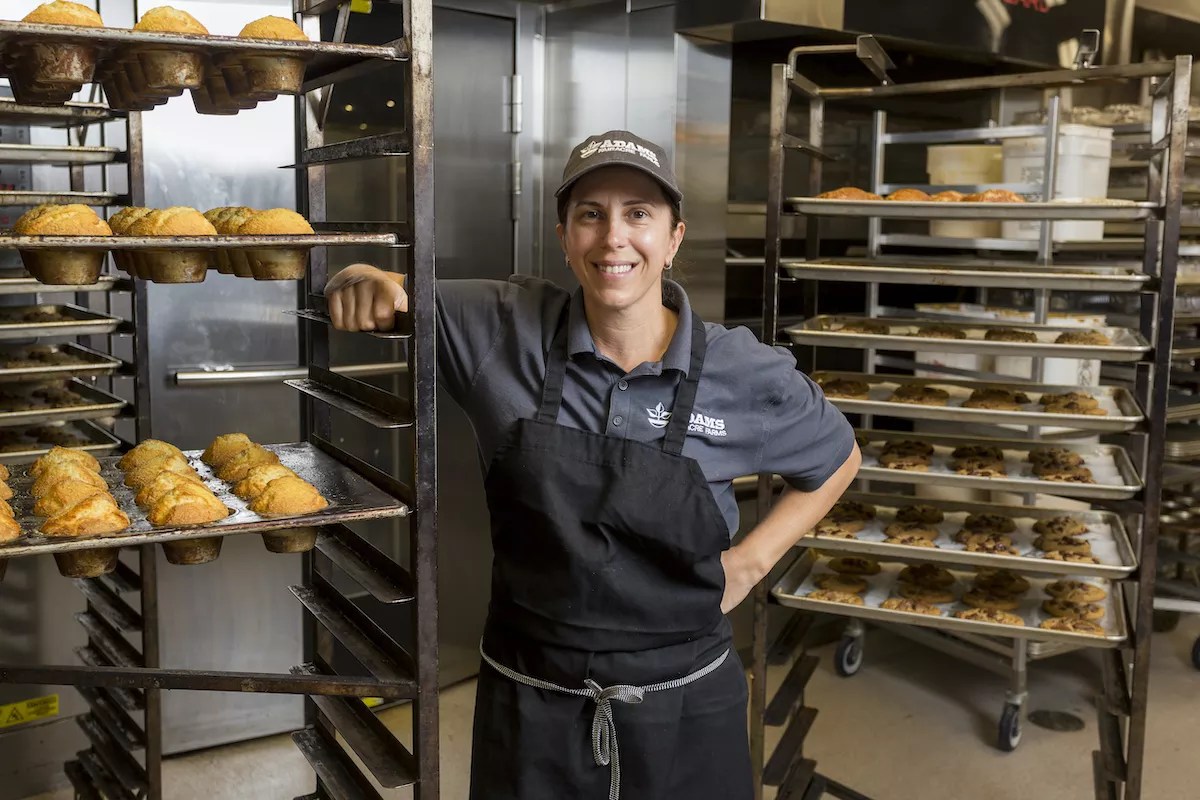
To combat food waste in its stores, Adams has found a variety of ways to ensure fruit and vegetables end up in good use. Fruit with minor blemishes gets a new life as cut fruit, damaged cartons of eggs are used in the prepared foods and bakery departments, and each store also donates excess products to several food pantries each week.
Day-old or imperfect produce is often sold to customers at reduced prices, and the store prioritizes loose produce over packaged and bagged items to help customers purchase the amount of food that works best for them.
Environmentally Friendly Refrigeration
While fluorocarbons have long been known as extremely potent greenhouse gases, they remain one of the leading types of coolants used in refrigeration. To help reduce their role at Adams, the Wappinger and Wallkill locations have switched to alternative refrigeration systems.
The Wappinger location was the first business in the area to implement a glycol system, which uses a much smaller amount of fluorocarbons to cool the glycol used in the refrigeration cases and coolers. The Wallkill location is the first store to remove fluorocarbons altogether, opting for an efficient, environmentally friendly carbon dioxide refrigeration system instead.
Solar-Powered Greenhouses

Located behind the Poughkeepsie store is Mark Adams Greenhouses run by Mark Adams (cousin of co-owners Pat Adams and Steve Adams) and his wife Sue. They supply many of the garden centers’ plants.
To help offset the energy needed to grow over 100,000 tomato plants, as well as other vegetables, herbs, and annuals like their award-winning hanging baskets, they constructed the greenhouses with state-of-the art energy-saving technology like passive cooling and retractable energy curtains, and installed 3,000 square feet of solar panels outside.
“We have been making strides towards improving our sustainability, but we still have a lot of work to do,” says Pat. “Our commitment is a testament to our past and a promise to a future where our values and our actions are aligned for the greater good of our community and our planet.”
To learn more about Adams Fairacre Farms, visit Adamsfarms.com.


I love shopping at Adams for my fresh meat, produce and specialty items. I am happy to know the strides they are taking toward sustainability. My biggest concern is over their use of plastic packaging. Is the packaging they use for so many of their store-packaged snacks, cheeses, sauces, cut fruit and veg, salads, etc. recyclable in most areas? (Just because it carries the recyclable symbol doesn’t mean that it’s recyclable in your area; it just identifies what type of plastic it is!) I assume that it falls in the same category as plastic clamshell packaging which is NOT recyclable in my area of Ulster County.