









With so many of us hunkering down at home, a variety of at-home activities are experiencing an inspiring surge of interest. And with spring in bloom in the Hudson Valley, it’s only natural for our attention to turn to gardening in the great outdoors.
When choosing plants to add to your garden this season, John Messerschmidt, owner of Hudson Valley Native Landscaping, recommends selecting plants that are native to our region. Given their long history in the region’s ecosystem, these plants exist in a web of beneficial relationships with other plants, animals, and insects that non-native plants don’t.
“Over the last 25 years I’ve seen invasive plants gradually taking over the yards and forests of the Hudson Valley to where they now outnumber native plants,” he says. “As a result, pollinators like bees and butterflies and bird populations critical to the health of the planet are falling fast.”
Planting native plants in your backyard can help attract those pollinators and restore balance in your local ecosystem. “Choosing native plants gives you the opportunity to have beautiful gardens and contribute to nature in a fundamental way,” he says. “We’re not separate from nature. We’re a part of it.”
Below are the top five native plants Messerschmidt recommends adding to your Hudson Valley garden this season.
Shadblow Serviceberry
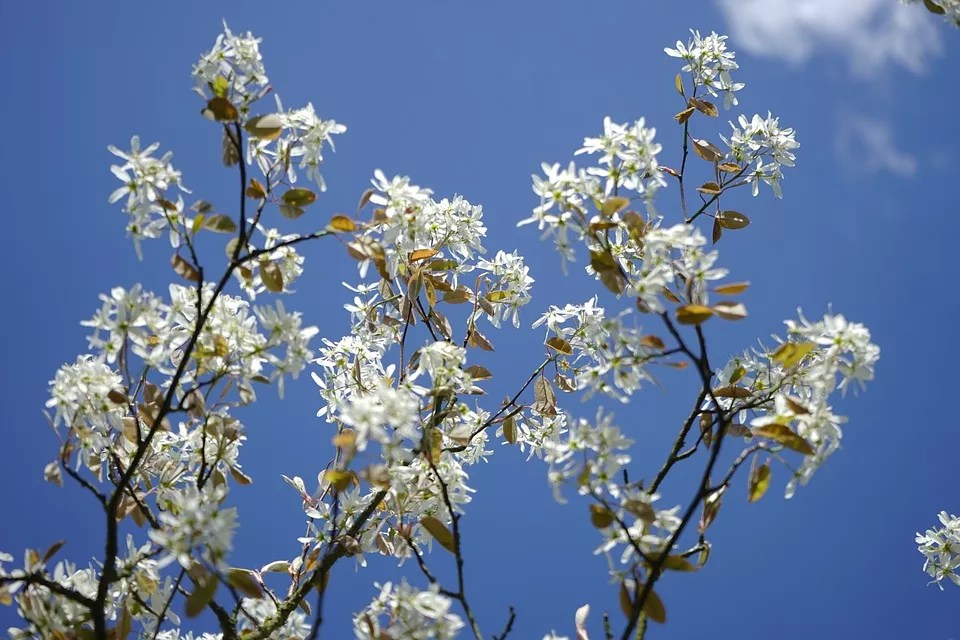
Shadblow serviceberry, or amelanchier as it’s also known is a small hardy tree that Messerschmidt describes as “Spring’s welcome-home party of star-shaped white flowers.” Its beauty carries over to the fall when its leaves turn a brilliant orange-red. In summer, the tree also provides enough purplish-red berries for every bird in the neighborhood.
Doublefile Viburnum

One of his favorite shrubs is the doublefile viburnum, though any type of viburnum is a great choice. This variety has beautiful clusters of white flowers in the summer, gorgeous fall colors, and its branches add an interesting shape to your landscape in the winter. “They just keep giving.” he says.
Black Cohosh

The small, bush-like black cohosh, also known as Cimicifuga racemosa or fairy candle, is a strong perennial performer for shady areas. They produce a tall, plume-like column of flowers in the summer, so he recommends you buy them in plentiful numbers and cluster them, for best ground coverage and a dense pocket of blooms.
Monarda
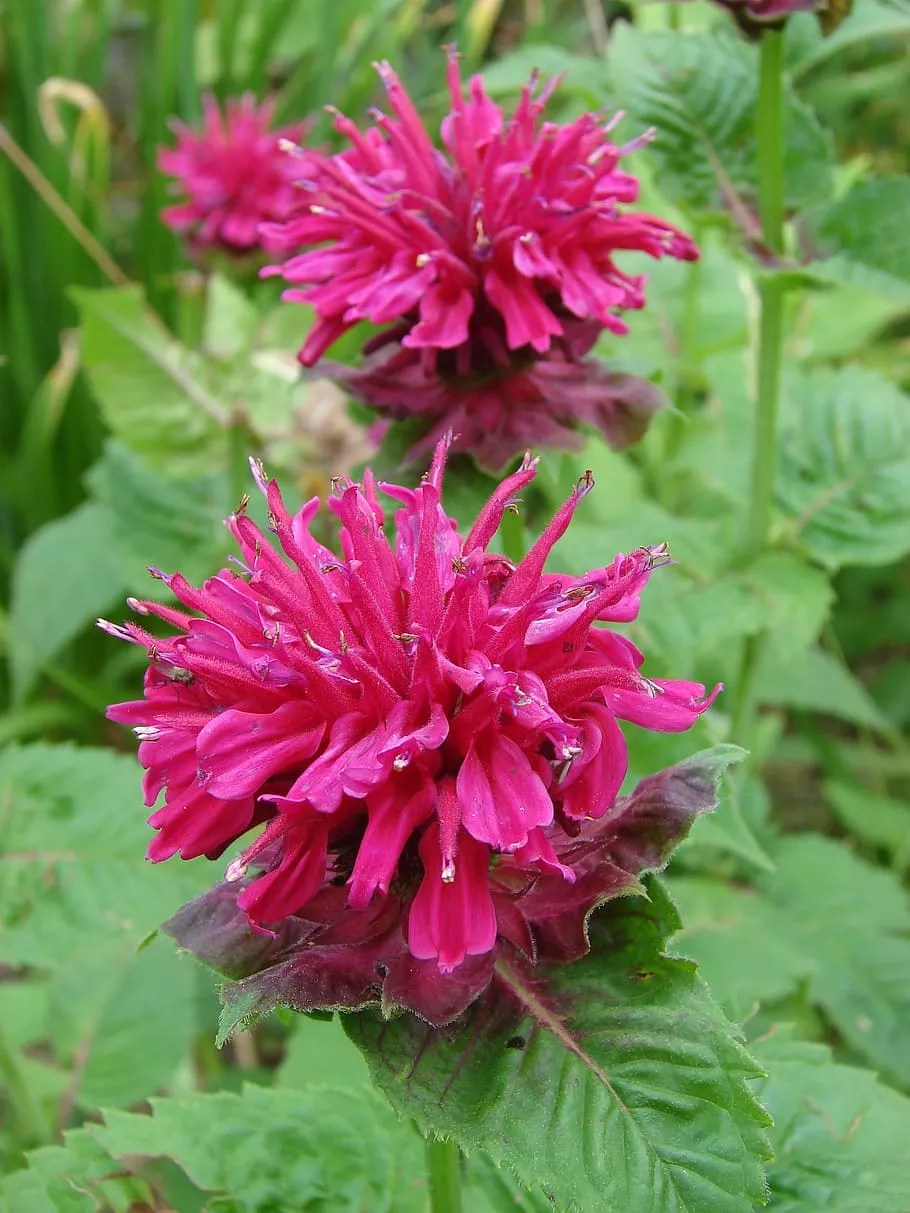
One of his favorite perennials for sunny areas is monarda, which is commonly known as bee balm. It produces striking flowers in an array of colors like red, pink, and white. Its late-summer blooms are known for attracting plentiful numbers of hummingbirds, butterflies, and, of course, bees to your garden.
Creeping Dogwood

Unlike its tree relatives, creeping dogwood, Cornus canadensis is a lush ground cover that will thrive in shady areas of your garden. Its white flowers bloom in late spring and early summer, giving way to bright red berries. “Imagine having dogwood flowers on a bed of greens!” Messerschmidt says.



Doublefile viburnum (Viburnum plicatum) is native to China and Japan, not North America.