








For 30 years, a dilapidated factory stood abandoned in Midtown Kingston. In 2013, the RUPCO changed that—it bought the Lace Mill and repurposed it into an affordable housing complex for artists. Now, around 100 artists live and work there, greeting each other on the elevators, asking each other what projects they’re working on, and bonding over their shared passion. On July 6 and 7, they’re celebrating 10 years of the community they’ve created.
The US Lace Curtain Mill was originally built in 1903. The three-story building catered to the fashion and interior design world, employing hundreds of Kingston residents over several generations. It ceased operations in 1951, serving instead as a warehouse, until it was eventually boarded up in the early ‘90s.
RUPCO purchased the Lace Mill at a time when adaptive reuse was becoming a necessity. As housing became more and more expensive, developers had to come up with new solutions to create housing without displacing community members. Kingston, Newburgh, and surrounding cities were littered with empty factories, so RUPCO and other developers repurposed some of them in order to provide affordable housing.

“Affordable housing gives you more time to do your art,” says James Martin, resident of the Lace Mill and president of the Lace Mill Arts Council. “I should be doing this 24/7. It should be my full-time job.”
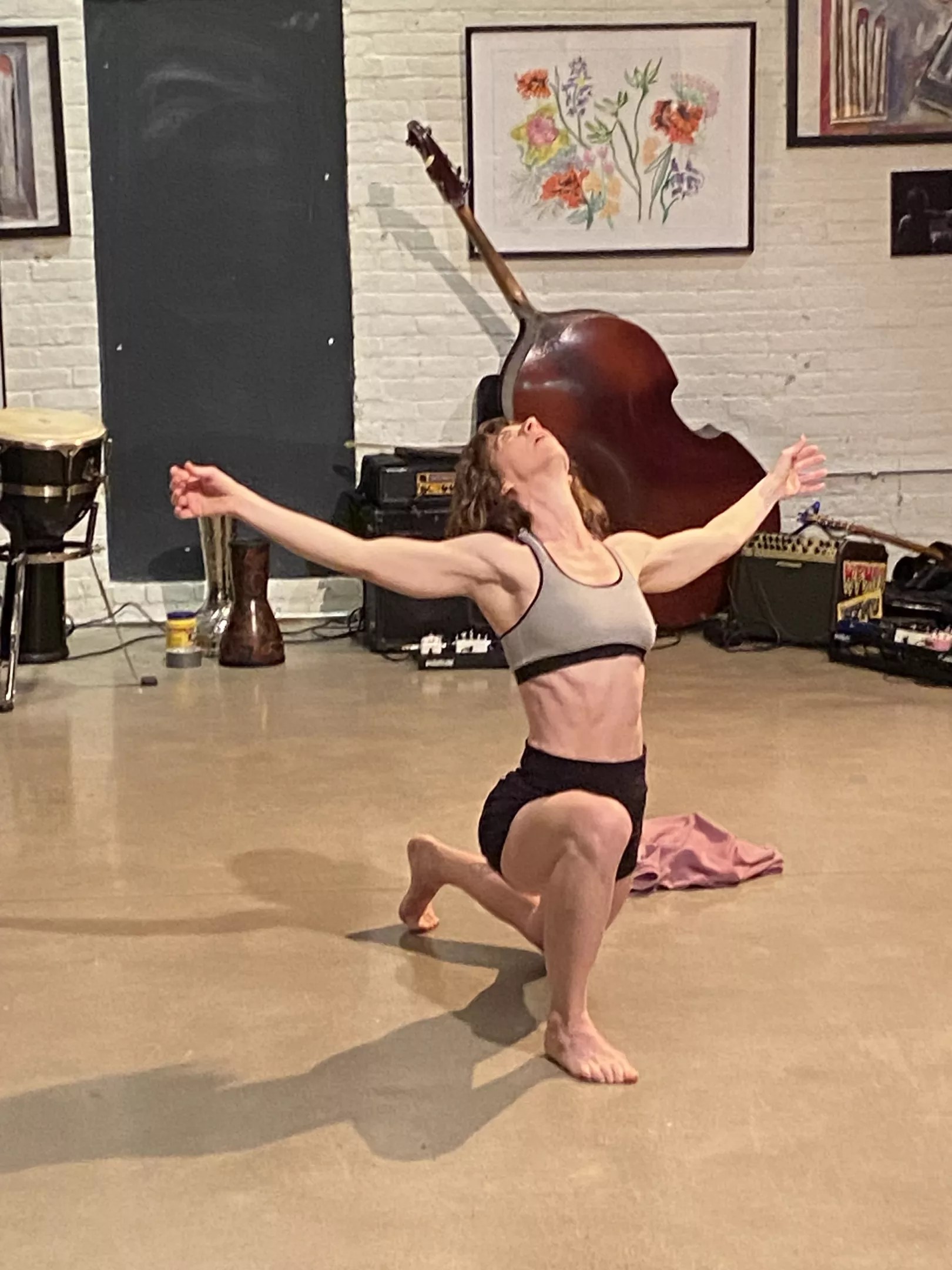
The Lace Mill 10th Anniversary celebration honors the art and music that the Lace Mill has cultivated over the years. The festivities feature over 60 artists and performers, both Lace Mill residents and non-residents. Music and performances are hosted by Charles Dennis and art exhibits are curated by resident and president of the Lace Mill Arts Council James Martin. Dennis is known for his Avant-Garde-Arama events at the Lace Mill, a twice-yearly interdisciplinary art show.
“Living here has been a delight,” says Freya DeNitto, treasurer, traditional painter, and eight-year resident of the Lace Mill. “People who function as artists in the world, deserve a place to live. I think art is one of the most important things we have as human beings.”
In addition to being a 55-unit complex for artists, the Lace Mill has three galleries, two studios, and a community room. They routinely host workshops, art classes, and music rehearsals. The galleries host artworks of any medium, from traditional paintings and metal or wooden sculptures to chandelier-like installations that dangle from the ceiling of the building.
The labyrinth-like structure spans a massive 53,000 square feet. One of the most distinct parts of the Lace Mill is its boiler room gallery; the dim light is just enough to highlight the art pieces while maintaining an industrial ambience. Paintings and small sculptures line the walls of the boiler room.
“We do have one of the best places to go to see the best art in the community,” says Martin.
Martin has been a Lace Mill resident since the building was first repurposed. He was insistent on putting on frequent art shows at the Lace Mill from the start, trying to assert the gallery’s voice amongst the rest of Kingston’s artists.
The Lace Mill is now an integral part of the city’s art scene, providing an affordable space for creativity to flourish in an increasingly expensive housing market. “There’s just two things every artist needs happening at the same time to create art, first being time, second being space,” Martin says. “We have space here.”
[eventarchive-1] [location-1]
This article appears in July 2025.



I’m learning to make bobbin lace and have bought beautiful lace from Scranton Lace new in package! I’ve researched the history in the past about the machines brought over from Nottingham! Amazing bittersweet history!