









“Is it native?” That’s the first question to ask when you see a plant you like at a nursery, says John Messerschmidt, owner of Hudson Valley Native Landscaping in High Falls. “If the answer is no, it does nothing to contribute to the wildlife around you,” he says. “If an insect cannot eat it or pollinate it, although it is attractive to us, it is another dead zone for them.”
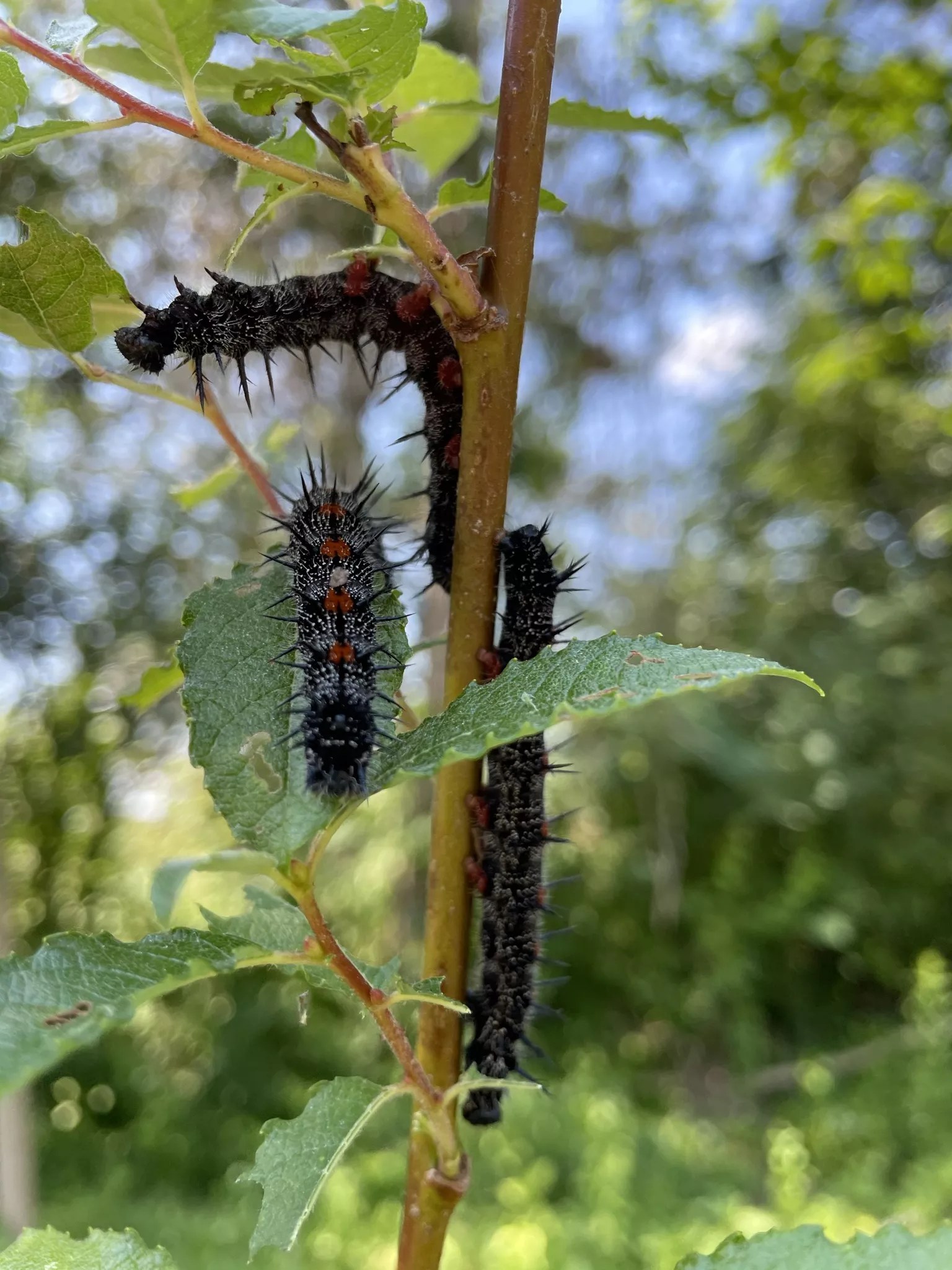
But why should the average homeowner care about the needs of insects? Afterall, many people go out of their way to prevent insects from eating the plants that beautify their landscapes.
The reason is that it helps the health of the ecosystem as a whole. “Without insects, there would be no birds, or any other animal on the planet, including us,” Messerschmidt says. “Birds are like the canary in the coal mine if you will. Caterpillars supply over 90 percent of a bird’s diet. One chickadee couple, for example, needs to catch nearly 10,000 caterpillars to feed their young in their first two weeks—the most important period of a bird’s life. Caterpillars also provide food for birds after they become butterflies and moths, so they remain a staple of their diet all season long.
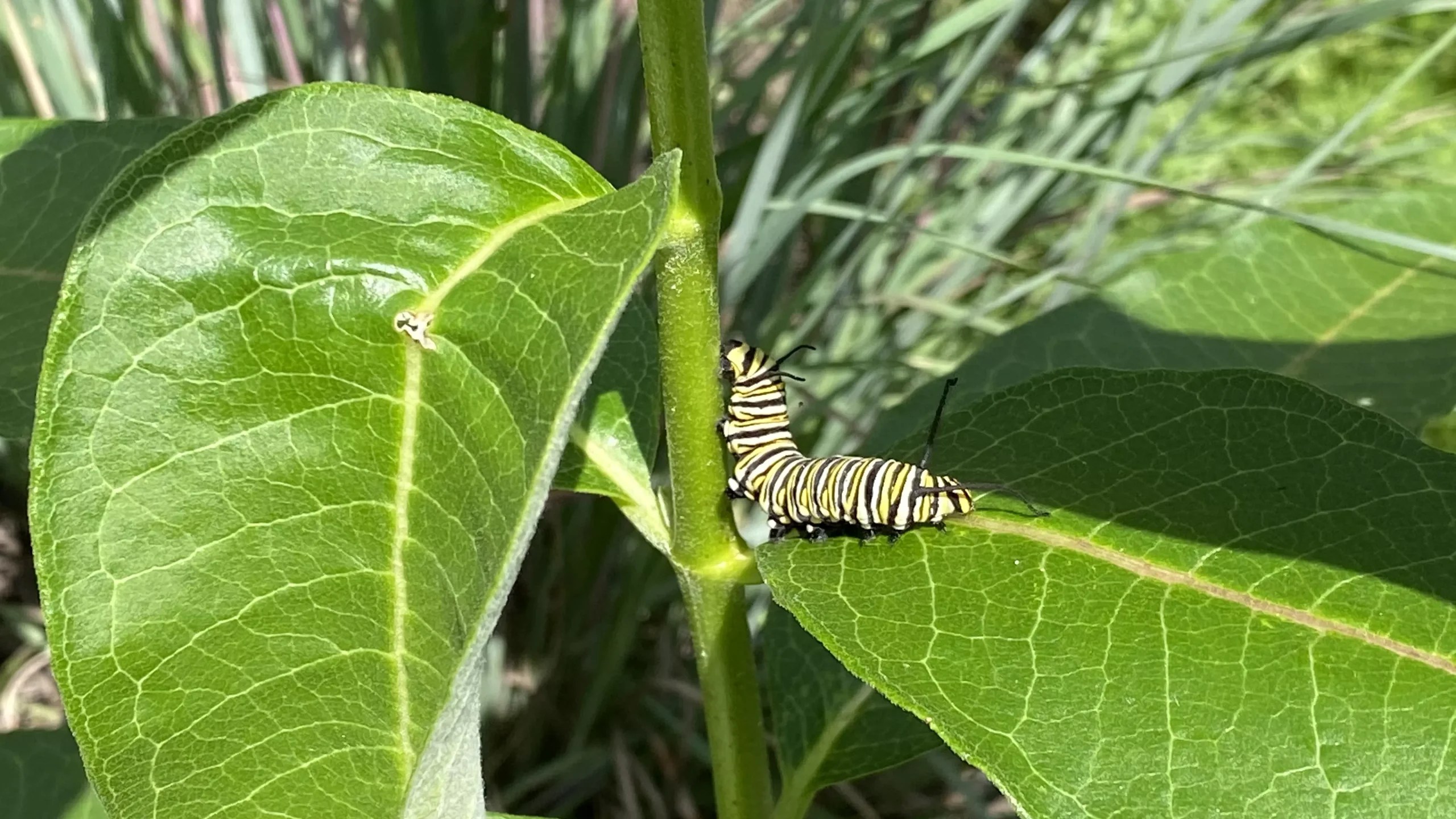
Just like the monarch butterfly, which can only survive on milkweed, 90 percent of all caterpillars will only eat from one species of plant, many of which are native to that region.
When that plant is replaced with another that originated on the other side of the planet, those caterpillars’ primary food source is reduced and as a result, so is their population. This reduces the primary food source for birds (no, the seeds in your birdfeeder won’t save them), which then reduces the bird population. Soon, the diversity and health of the entire local ecosystem is struggling to maintain balance.
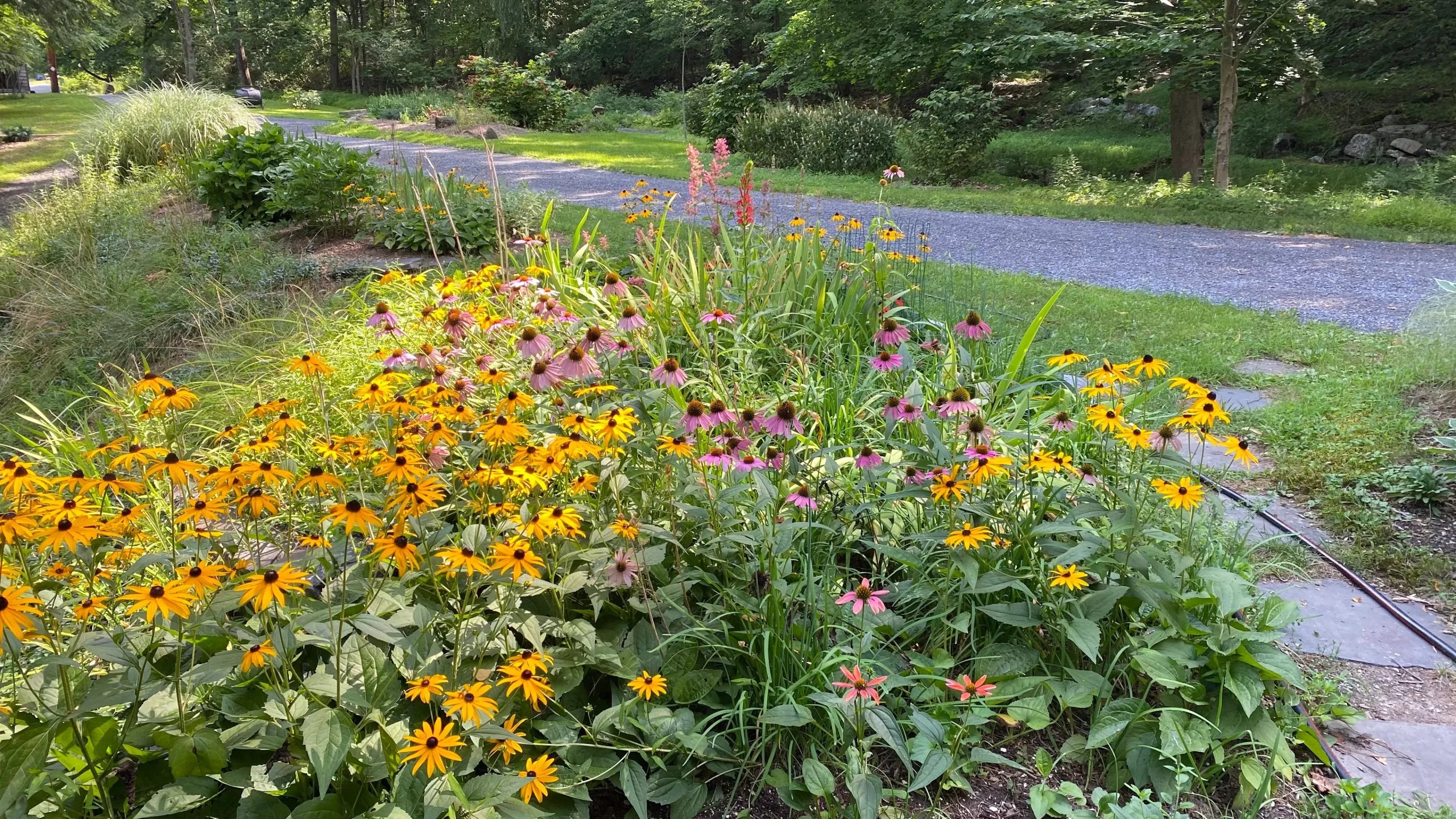
The good news, Messerschmidt says, is that there is a large variety of plants that are native to the Northeast that are both beautiful and naturally support populations of caterpillars and birds. The trend right now is to go native. If there isn’t a nursery that specializes in native plants near you, never fear. Many of the more common native varieties can be found in your local conventional nursery, and as more and more people ask that all-important question—“Is it native?”—the more resilient nursery stocks and gardens all around the region will become.


